


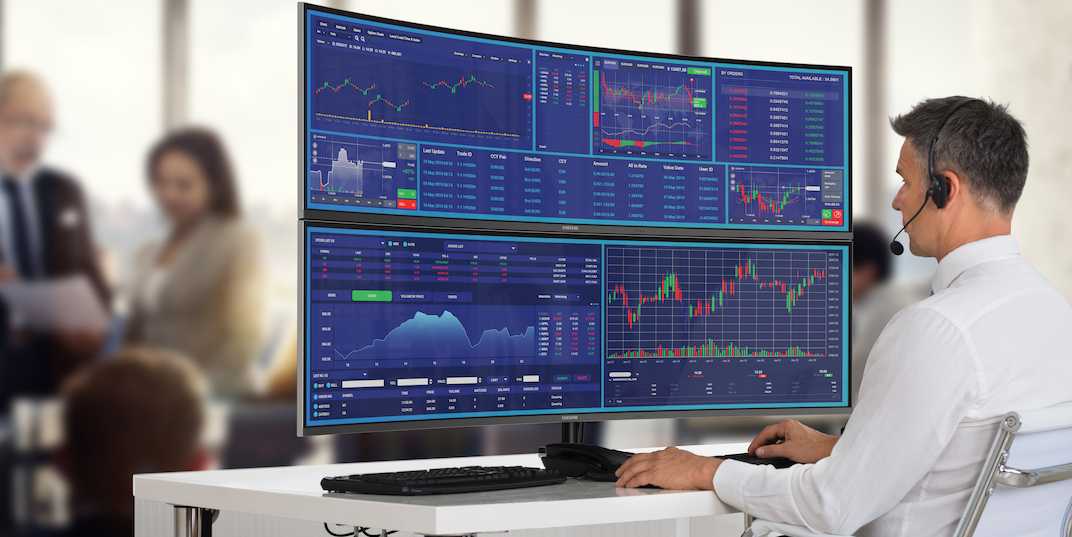
Yes, a touchscreen monitor can be a good choice for stock trading, but it depends on your trading style and preferences. While it offers quick access to information and easy navigation, some traders might prefer traditional setups for precision and multitasking. Overall, touchscreen monitors can enhance your trading experience if used correctly.
Touchscreen monitors can be beneficial for stock trading by providing intuitive control and fast interaction, especially for traders who value quick decision-making. However, their suitability varies based on individual needs and the complexity of trading setups. Some traders find them convenient for reviewing charts and executing trades, but others may prefer physical keyboards and multiple monitors for better multitasking. Ultimately, whether a touchscreen is good for stock trading depends on your trading habits and how comfortable you are using touch-based interfaces during intense trading sessions.
Getting into stock trading, you need tools that keep you sharp and responsive. The idea of using a touchscreen monitor might spark interest because it offers an interactive way to monitor data and execute trades quickly. Imagine gliding your finger across the screen to compare charts or place orders—sounds appealing, right? But before investing in one, it’s important to weigh the pros and cons. Touchscreens can make your interface more dynamic and accessible, especially for traders who prefer a more tactile experience. On the other hand, for precision tasks or multitasking across multiple windows, traditional setups with physical keyboards and multiple displays might be more effective. So, whether a touchscreen monitor is right for you depends on your trading style, workflow, and personal preferences.

Is Touchscreen Monitor Good for Stock Trading?
Benefits of Using a Touchscreen Monitor for Stock Trading
Many traders wonder if a touchscreen monitor can improve their trading experience. Touchscreens offer quick access to data and easy navigation, making it simple to analyze stock charts or execute trades. This feature can be especially helpful during fast-moving markets when every second counts.
Touchscreens enable traders to interact directly with charts, graphs, and trading platforms without needing a mouse or keyboard. They can swipe, pinch, and tap to zoom in on specific data points or switch between different screens quickly. This convenience helps traders stay focused and responsive to market changes.
Another benefit is the space-saving aspect of touchscreen monitors. They often replace multiple devices, reducing clutter on a trader’s desk. With a touchscreen, users can configure their workspace more flexibly, displaying multiple trading tools on one screen with ease.
Considerations When Choosing a Touchscreen Monitor for Stock Trading
While touchscreens provide many advantages, traders must consider several factors before purchasing one. Screen size is crucial. A larger display allows for better visibility of charts and multiple windows, which is essential in trading.
Resolution also matters. Higher resolution screens deliver crisp images and detailed visuals, helping traders interpret data accurately. For most traders, a minimum of 1080p resolution is recommended, though 4K monitors can offer even better clarity.
Type of touchscreen technology can influence performance. Capacitive touchscreens, common in smartphones, are responsive and durable. They typically work well for trading activities that involve frequent touch gestures. Infrared or optical touchscreens are less common but can be more precise for detailed interactions.
Additionally, consider compatibility with your existing trading software. Ensure the monitor supports your preferred operating system and that the touch features are fully functional with your trading platforms.
Potential Drawbacks of Touchscreen Monitors in Trading
Despite their benefits, touchscreen monitors may have some drawbacks for traders. One concern is accidental touches which can disrupt trading operations. For example, unintentionally zooming in or switching screens might cause mistakes.
Touchscreens can sometimes be less precise compared to traditional mouse and keyboard controls, especially for detailed chart analysis. Traders who rely on precise cursor movements might find touchscreens limiting for certain tasks.
Moreover, touchscreen monitors tend to be more expensive than standard displays. The added cost may not always justify the benefits for casual or beginner traders. It’s important to weigh these costs against your trading needs.
Long-term durability is another factor. Touchscreens have an extra layer of glass that can be prone to scratches or damage over time. Proper care and maintenance are necessary to keep them functioning well.
Optimal Screen Size and Resolution for Stock Trading
For effective stock trading, choosing the right display size is vital. Many professional traders prefer screens between 24 inches and 32 inches for a good balance of visibility and desk space.
A larger screen minimizes the need to switch between multiple windows, saving time. It also helps in reading complex charts and detailed data without straining your eyes.
Resolution influences how well you can see small text and intricate graphics. A higher resolution, such as 4K, provides sharper images and allows for more information to be displayed simultaneously.
Trade-offs include higher costs and potentially increased demands on your graphics card. Ensure your computer can handle high-resolution displays for the best performance.
Touchscreen vs. Traditional Monitors: Which Is Better for Trading?
Traditional monitors with mouse and keyboard controls are still popular among traders. They offer high precision and are generally more affordable. However, touchscreen monitors excel in interactivity and ease of use for many traders.
If you prefer quick gestures like swiping or zooming, a touchscreen can make your workflow more intuitive. Conversely, if your trading requires detailed analysis, traditional controls may provide better accuracy.
Some traders opt for dual setups — a standard monitor paired with a touchscreen. This combination allows them to enjoy the best features of both interfaces. Think about your trading style and choose the setup that suits your workflow best.
Best Practices for Using Touchscreen Monitors in Trading
To maximize the advantages of a touchscreen monitor, follow some practical tips. Keep your screen clean; fingerprints and smudges can impair touch sensitivity. Use a microfiber cloth to gently wipe the surface regularly.
Customize your trading software interface for touch input. Many platforms allow for touch-friendly layouts, making navigation smoother. It’s helpful to assign frequently used tools to easily accessible sections.
Set up your workspace ergonomically. Keep the monitor at eye level to reduce neck strain during long trading sessions. Adjust the tilt and height for comfortable touch interactions.
Enable touch gestures in your operating system. This can improve responsiveness and reduce accidental inputs. Practice deliberate gestures to develop accuracy and confidence.
Additional Features to Look for in a Touchscreen Monitor for Trading
Certain features can enhance your trading experience further. Look for monitors with anti-glare coatings to prevent reflections that can distract you during trading.
Vivid color reproduction and high contrast ratios help in reading chart details and market indicators clearly. A monitor with wide viewing angles ensures you see accurate colors from different positions.
Connectivity options are also important. Multiple HDMI, DisplayPort, and USB ports facilitate easy integration with your computer and other devices. This flexibility allows you to extend your workspace seamlessly.
Consider whether the monitor has adjustable stand options. Ergonomic adjustment features improve comfort during lengthy trading sessions and reduce fatigue.
Related Topics: Multi-Monitor Setups and Touchscreen Alternatives
Many traders prefer using multiple monitors to expand their workspace. Multi-monitor setups enable live data, news feeds, and trading charts to be displayed simultaneously, streamlining decision-making.
If a touchscreen monitor isn’t feasible, touchscreen tablets or portable devices can serve as secondary control panels. These devices offer touch capabilities without the cost of large displays.
Some traders opt for specialized trading consoles or touchscreen kiosks designed specifically for high-frequency trading. These devices optimize speed and responsiveness for professional traders.
Choosing a touchscreen monitor for stock trading depends on your individual needs and trading style. For users seeking quick interactions and a clutter-free setup, touchscreens can be a valuable addition.
However, it’s essential to weigh the possible drawbacks against your requirements for precision and budget. Proper selection of size, resolution, and features ensures you get the most out of your investment.
A well-configured touchscreen setup can make your trading experience more intuitive and efficient, especially if you adapt your platform for touch use. Always consider ergonomic factors and compatibility to create a comfortable, productive workspace.
The Ultimate Trading Monitor Setup – Game-Changing Tech for 2025
Frequently Asked Questions
Can a touchscreen monitor improve multitasking during stock trading?
Yes, a touchscreen monitor can enhance multitasking capabilities by allowing traders to quickly switch between charts, news feeds, and trading platforms with simple touch gestures. This immediate access helps traders stay more organized and responsive to market changes without needing multiple physical devices or complicated navigation.
Does a touchscreen monitor provide accuracy for executing trades?
Touchscreen monitors offer precise control when selecting options, which can be beneficial for executing trades quickly. However, traders should ensure that the screen has high sensitivity and accuracy to avoid accidental clicks. Combining a touchscreen with a sturdy stylus or using it alongside traditional input methods can improve overall precision.
How does a touchscreen monitor affect the overall desk setup for trading?
Integrating a touchscreen monitor into a trading setup can create a more interactive and dynamic workspace. It allows traders to manage multiple screens efficiently and reduces clutter by consolidating controls into one interface. Yet, traders need to consider ergonomics, as prolonged use of touchscreens may cause strain if not positioned correctly.
Is a touchscreen monitor suitable for fast-paced trading environments?
Touchscreen monitors can be useful in rapid trading situations by enabling quick responses and intuitive control. However, the speed of typing or navigating may depend on the screen’s responsiveness and the trader’s familiarity with touch controls. For some, traditional mouse and keyboard inputs might still be preferable for ultra-fast execution.
What are the potential drawbacks of using a touchscreen monitor for trading?
While touchscreen monitors offer convenience, they can also introduce challenges such as fingerprints on the screen, accidental touches, or the need for frequent cleaning. Additionally, some users might find prolonged touch interactions less comfortable compared to traditional input devices. It’s important to weigh these factors based on personal preferences and trading habits.
Final Thoughts
A touchscreen monitor offers quick access to charts and trading tools, making it convenient for fast-paced stock trading. Its intuitive interface allows traders to navigate seamlessly without needing multiple devices. However, some users might find fingerprints distracting or prefer physical buttons for precision.
Ultimately, whether a touchscreen monitor is good for stock trading depends on personal preference. It can enhance efficiency for certain tasks but may not suit everyone. Therefore, understanding your trading style helps determine if a touchscreen monitor aligns with your needs.
In conclusion, *is touchscreen monitor good for stock trading*? It can be a valuable addition, especially for those who prioritize ease of use and quick interactions, but it may not replace traditional setups for all traders.



