


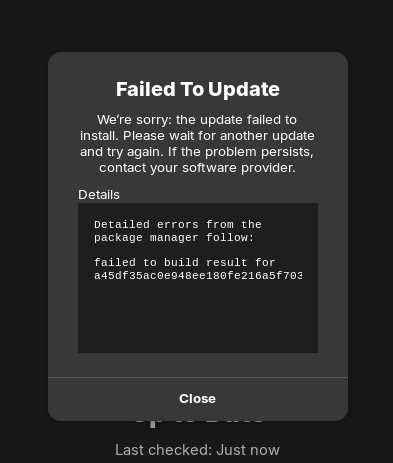
If your router update keeps failing, don’t panic—there are simple steps to get your device back online quickly. Before trying complicated fixes, ensure your internet connection is stable, restart your router, and check for enough storage space. Updating your router can sometimes be tricky, but most issues can be resolved with a few straightforward troubleshooting tips.
A quick solution for a failed router update involves restarting the device, ensuring your firmware file is correct, and performing updates via a wired connection instead of Wi-Fi. If these don’t work, resetting your router to factory settings or updating through the manufacturer’s app can often fix the problem. Troubleshooting step-by-step helps you get your internet back on track without frustration.
If your router update fails, it can be frustrating, especially when you want improved security or new features. Sometimes, the update process is interrupted due to unstable internet connections, insufficient device storage, or glitches in the firmware. Troubleshooting this involves checking your connection, using a wired instead of wireless link, and ensuring your firmware file is compatible. In some cases, resetting your router or updating through the manufacturer’s app or website clears the issue quickly. Knowing these simple steps can save you time and keep your network secure and up to date without the need for professional help.

Router Update Failed Solution: How to Fix Common Issues
Understanding Why Router Updates Fail
Many users face problems when trying to update their routers. These failures can be caused by multiple issues such as poor internet connection or incompatible firmware. Knowing the root cause helps you choose the right solution quickly. Common causes include interrupted downloads, outdated router hardware, and server problems from the manufacturer.
Check Your Internet Connection Before Updating
A stable internet connection is essential for a successful router update. If your Wi-Fi or Ethernet is slow or drops frequently, updates might fail. Try resetting your modem or router to improve signal strength. If the connection remains unstable, contact your internet provider for assistance.
Verify Router Compatibility and Firmware Requirements
Not all routers support every firmware update. Ensure that your device model is compatible with the firmware version you want to install. Check the manufacturer’s website for detailed specifications and update instructions. Using incompatible firmware can cause failures or even brick your router.
Prepare Your Router for the Update Process
Before starting the update, back up your current settings. This step prevents data loss if something goes wrong during the process. Additionally, connect your router directly to your computer using an Ethernet cable to reduce the chance of interruption. Power your router on and ensure it’s connected properly.
Updating Router Firmware Manually
Manual updates are often more reliable than automatic ones. Download the correct firmware file from the manufacturer’s site. Access your router’s admin panel via a web browser. Look for the firmware update section, usually under “Administration” or “Maintenance.” Upload the file and start the update. Do not turn off or disconnect the router during this process.
Why Manual Updates Are Recommended
Manual updates give you control over the process. They help avoid interruptions from server issues or browser incompatibilities. Plus, you can double-check that you are using the right firmware version for your specific model.
Troubleshooting Common Update Failures
Sometimes, despite following all steps, the update still fails. Here are some common issues and their fixes:
Router Not Responding or Freezing
If your router becomes unresponsive, perform a factory reset by holding the reset button for 10-15 seconds. After resetting, try the update again. Remember to restore your settings afterward.
Corrupted Firmware File
A corrupted firmware file will cause update failures. Always download the firmware from the official manufacturer’s website. Verify the file size and checksum if provided to ensure integrity.
Insufficient Power Supply
A sudden power loss during the update can brick your router. Make sure your router is plugged into a stable and reliable power source. Use a UPS or surge protector for added protection.
Resetting the Router as a Last Resort
If updates continually fail, a reset might resolve underlying issues. Reset your router to factory defaults by pressing the reset button for 10 seconds. Then, reconfigure your settings and attempt the update again. This step often clears minor firmware conflicts.
Using Router Manufacturer Support and Forums
If problems persist, consult the support resources provided by your router’s manufacturer. Forums and FAQs often contain solutions specific to your router model. Contact customer support for further guidance if needed.
Updating Router Software via App or Mobile Device
Many routers allow firmware updates through dedicated mobile apps. Follow the app instructions carefully. Ensure your mobile device is connected to the same network as the router during the update process. Keep the app updated for best performance.
Keeping Your Router Updated Regularly
Regular updates fix bugs, improve security, and add features. Set a reminder to check for updates at least every few months. Enable auto-update features if available for convenience.
Preventing Future Update Failures
Ensure your router firmware is up to date before making major network changes. Maintain a reliable power source during updates. Use a wired connection instead of Wi-Fi for better stability. Avoid interrupting the update process once it has started.
Advanced Troubleshooting: Firmware Reversion or Recovery
If your router becomes unresponsive after a failed update, you may need to revert to an older firmware version. Consult your user manual for recovery procedures. Some routers support TFTP recovery or hardware flashing methods.
Performing a Firmware Reversion
Download the previous firmware version from the manufacturer’s website. Use the recovery mode on your router, if available, to install the older version. Follow carefully all instructions to prevent bricking your device.
Securing Your Network After a Firmware Update
Once your router is updated successfully, change the default admin password. Enable WPA3 or WPA2 encryption for Wi-Fi security. Keep your firmware up to date to protect against vulnerabilities.
Summary: Best Practices for Router Updates
– Always use the correct firmware version.
– Use a wired connection during updates.
– Back up your settings beforehand.
– Maintain a stable power supply.
– Follow manufacturer instructions carefully.
In conclusion, resolving router update failures requires patience and careful troubleshooting. By understanding the common causes and following structured solutions, you can keep your network secure and functioning smoothly. Regular maintenance and updates help prevent future issues, ensuring your internet connection remains reliable.
NEW! Router Firmware Update Failed – How to Fix (2025) 🌐⚡ | Quick Troubleshooting Guide
Frequently Asked Questions
What should I do if my router update keeps failing due to a corrupted firmware file?
If your router update fails because of a corrupted firmware file, start by downloading the firmware again from the official manufacturer’s website. Ensure that the file size matches the one listed on the site and that your internet connection remains stable during download. Before attempting to update, reset your router to factory settings, which can help clear any existing issues. Follow the manufacturer’s instructions carefully to upload and install the new firmware. If the problem persists, contact customer support for further assistance.
How can I resolve an update failure caused by insufficient storage space on my router?
When your router has insufficient storage space, it may prevent firmware updates from completing successfully. Begin by logging into your router’s admin panel and deleting unnecessary files or old logs. Some routers allow you to clear cache or reset certain settings. If available, perform a factory reset to free up space. After freeing up storage, restart your router and try updating the firmware again. Regular maintenance and deleting outdated files can help prevent this issue from recurring.
What steps should I take if my router keeps disconnecting during an update?
If your router disconnects during an update, ensure that your device has a stable and reliable internet connection. Connect your router directly to your modem using an Ethernet cable for a more stable connection instead of relying on Wi-Fi. Avoid using any other network-intensive applications during the update process. If disconnections happen repeatedly, consider restarting your router and modem. Additionally, disable any firewall or security software temporarily that might interfere with the update. Once the connection is stable, retry the firmware update.
How can I fix update failures caused by incompatible firmware versions?
To address update failures caused by incompatible firmware, verify that you are downloading the correct firmware version compatible with your router model. Check the manufacturer’s website for the specific firmware designed for your device. Do not attempt to install firmware meant for a different model or version, as this can cause issues. If you are unsure, consult the router’s manual or contact customer support. Ensure your router is supported for the firmware update before proceeding, and always follow the recommended update procedures.
What troubleshooting steps can help if the router update process is interrupted mid-way?
If the update process gets interrupted, avoid turning off the router immediately. Instead, wait for a few moments to see if it resumes or completes the process. If it does not, perform a hard reset by unplugging the router, waiting about 30 seconds, and then plugging it back in. Enter the recovery mode if available to manually reinstall the firmware using special tools or software provided by the manufacturer. If the router still does not function properly after the interruption, consider contacting technical support for further guidance or visiting an authorized service center.
Final Thoughts
The router update failed solution is often simple yet effective. Restart your device and ensure your firmware is compatible. Updating your router manually can resolve many issues.
Checking your internet connection and resetting your router can also help fix the problem quickly. Follow these steps to prevent future update failures.
In summary, these straightforward actions address the router update failed solution efficiently. Taking these steps ensures your router functions properly and stays updated.



